What You Need to Know About Bone Graft Procedures
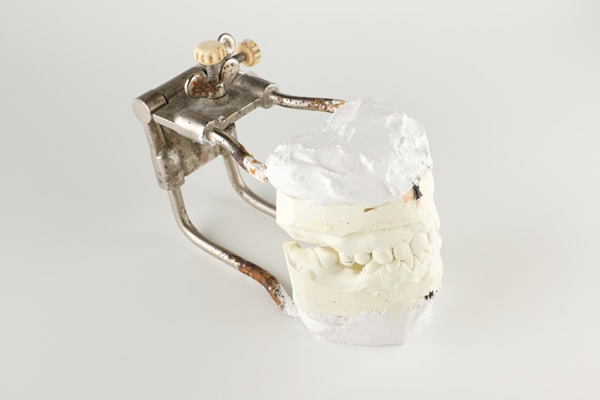
Thinking you might need to undergo a bone graft? According to Johns Hopkins Medicine, bone grafting is a surgical procedure that uses transplanted bone tissue to repair and rebuild diseased or damaged bones. Dental patients in need of a bone grafting procedure can choose to use their own bone, which is taken from a cadaver, or bone sourced from an animal.
Reasons for bone grafts
While bone grafting procedures are not extremely common, they are fairly common for dental patients who want or need to undergo a certain type of dental treatment. Some common reasons for bone grafts include saving teeth due to severe periodontal disease, adding more bone to a tooth socket once a tooth is lost, and adding more bone to a patient's jaw to support the placement of a dental implant.
What you should know about bone graft procedures
The information below includes what every dental patient needs to know about bone grafting procedures.
There are different types of bone grafts for dental implants
Two of the more common types of dental bone grafts include a sinus lift and a ridge augmentation. Sinus lifts are necessary when there is an inadequate amount of bone in the upper jaw, and there is a need to place dental implants in the back of the upper jaw. Ridge augmentations are necessary when the jaw cannot support dental implants because it is not wide enough.
Bone grafting procedures are performed in office
The fact that bone grafting procedures are performed in-office makes it convenient for dental patients to undergo this particular dental procedure. However, when it comes to the type of anesthesia, it depends on each patient's particular needs. Dental sedation options include mild, moderate, and deep sedation options. For patients to know which sedation option is right for them, they can discuss these options with their dental professional.
The surgery takes between 45 and 90 minutes
The entire bone grafting procedure tends to take between 45 and 90 minutes to complete. It is crucial for patients to follow instructions, ensuring the healing process goes as planned. Patients can expect the first part of the recovery to take about two weeks to complete. When it comes to how long it will take for the bone to fuse and heal completely, it can take anywhere between three and six months.
Are you in need of a bone graft procedure?
If you know you are in need of a bone graft, you can contact us now to schedule a consultation appointment for more information. If you are unsure whether or not you need to undergo a bone grafting procedure, you can make an appointment to get more information to find out if this procedure is in the near future. We encourage you to bring any questions you have to your appointment. Our team will help ensure you receive the treatment your oral health and smile need.
Are you considering bone graft in the Chicago area? Get more information at https://www.brightsmile-dental.net.
Check out what others are saying about our dental services on Yelp: Bone Graft in Chicago, IL.
Related Posts
If you are supposed to get dental implant restoration, the dentist might recommend a bone graft as a necessary procedure. This procedure is often recommended for patients who may not have enough jawbone to support the implant. This article covers details you need to know about a bone graft.If a person has lost their teeth…
A bone graft procedure is often necessary in order to repair a part of a person’s body. When receiving a bone graft, a person should expect to undergo invasive surgery. Understand that bone grafting requires the removal of a portion of bone from one body part, which is then placed elsewhere within the body. If you…
A root canal is an endodontic procedure that can help save a tooth when infection or damage reaches the soft tissue inside. However, dental pain, swelling, sensitivity, or visible damage can make it difficult for patients to know whether it will help or if it is even necessary. During a simple evaluation, our dentist can…
Accidents happen, and even durable dental veneers can chip or crack. While porcelain is strong, it is not invincible. If you damage your restoration, stay calm. Most issues with veneers have a straightforward fix. Here is what you should do if you damage your veneers.Many factors lead to a broken or loose veneer. While some…